
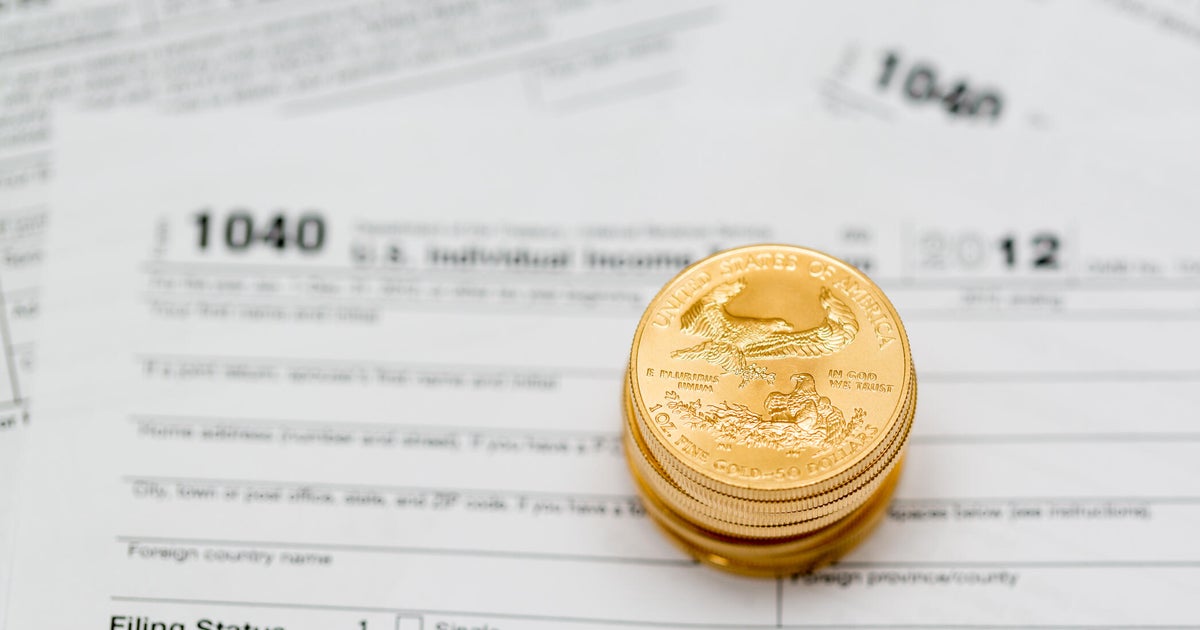
There are numerous , but buying physical gold feels refreshingly simple on the surface. You find a reputable precious metal dealer, pick the you want and exchange dollars for metal. But as more everyday investors dip into gold amid market uncertainty and , an interesting question tends to come up: How private is a gold purchase, really?
Part of the intrigue comes from the way gold straddles two worlds. On one hand, you can hold in your hand, store at home or tuck into a safe deposit box. On the other, gold is still part of a regulated financial system. Gold dealers have compliance rules. The Internal Revenue Service (IRS) has reporting requirements. And certain gold transactions , whether investors realize it or not.
That tension between the appeal of privacy and the reality of regulation is where most confusion lives. Some people assume any gold purchase is automatically reported to the government. Others believe there's a dollar amount you can stay under to remain off the radar. So, how much gold can you actually buy without being required to report it? That's what we'll examine below.
.
Interestingly, no law requires an investor to report their gold purchase simply because of its size. The federal government does not require buyers to fill out any form when they purchase , regardless of how much they spend during the purchase process.
That said, reporting requirements do exist — but , and specific circumstances trigger them. Whether a purchase is reported depends on factors like how you pay and what you buy — not just the total amount. Here are the main factors that impact whether your gold purchase has to be reported to the IRS:
If you buy gold and pay with more than $10,000 in cash (actual paper currency or equivalents, like money orders in certain situations) in a single transaction — or in related transactions — the dealer is required to file IRS Form 8300. This form reports large cash payments to help prevent money laundering.
This rule applies regardless of whether you're buying gold, silver or something else entirely. The cash element is what matters here, though. Paying by wire transfer, check, debit card or credit card reporting in the same way cash does.
.
Another common misconception is that certain gold bars or coin purchases automatically get reported when you buy them. In reality, most precious metals reporting happens back to a dealer, not when you purchase them.
For example, selling certain and bulk quantities of gold coins (or other precious metals) may require dealers to file Form 1099-B when the transaction occurs, depending on the product type and quantity. Simply buying popular bullion products like American Gold Eagles, Canadian Maple Leafs or standard gold bars typically doesn't generate an IRS report by itself, however.
Some states impose additional reporting requirements, and can set their own policies that go beyond the federal minimums. So, while federal law doesn't cap how much gold you can buy without reporting, your gold dealer's compliance team may still flag large or unusual purchases.
Even if a gold purchase doesn't trigger IRS reporting, reputable dealers will still collect identifying information for compliance and fraud prevention. That means:
The practical takeaway: There's no specific amount of gold you can buy that guarantees anonymity. Reporting is transaction-based, payment-method-based and compliance-driven — but it's not simply tied to the price of gold or the weight of the bars you buy.
There's no single amount of gold you can buy that automatically stays unreported. Ultimately, reporting depends on how you pay, what you buy and what happens when you eventually sell. Cash transactions over $10,000 will trigger reporting on the dealer end, while most standard gold purchases don't generate IRS paperwork at the time of purchase — but dealer compliance and future resale rules still apply.
If you're considering gold today, the smarter focus isn't how to avoid reporting. It's whether gold fits your goals, how much exposure makes sense for your portfolio and how to buy in a way that balances liquidity, cost, and security. Privacy matters — but clarity and smart planning matter more.