
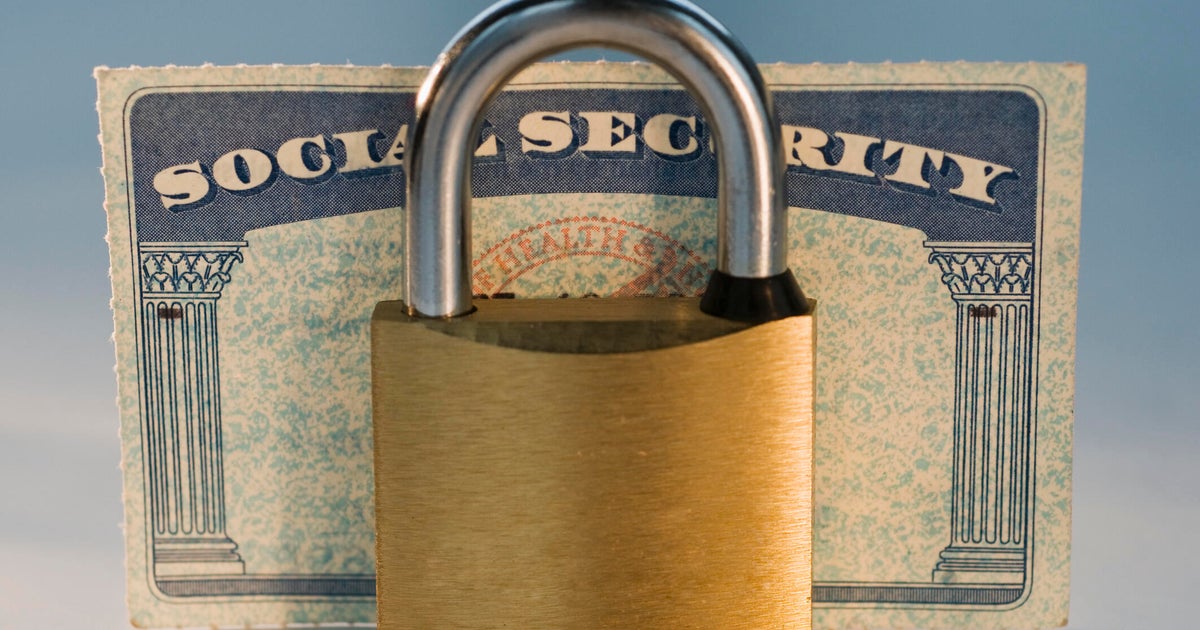
For millions of Americans, Social Security benefits represent more than just supplemental income during retirement. About 69 million people currently receive Social Security benefits, , and these payments account for a large percentage of the income for beneficiaries over age 65. When money is tight, though, , especially if an emergency or surprise expense arises. That's part of why has risen sharply recently, with credit card balances, medical bills and other obligations creating serious financial stress for millions of retirees.
And, if you fall behind and , you may fear that you'll lose your essential Social Security benefits to garnishment. After all, debt collectors and creditors have plenty of routes to take to pursue payment, . So, if you're behind on your debt payments, the question of whether Social Security benefits can be seized by your creditors becomes urgent, as those on fixed incomes will typically need every penny of those benefits to cover basic expenses, especially in .
Luckily, , like federal laws that limit Social Security garnishment. Relying solely on these protections isn't always the best long-term strategy, though. It's typically better to take steps to safeguard your benefits while also addressing the underlying debt instead.
.
While Social Security benefits come with strong federal protections, combining defensive measures with proactive debt resolution creates the most comprehensive protection strategy. Here's how you can do that:
The most important protection comes from knowing your rights. Federal law for most types of debt. Under these laws, credit card companies, medical providers, personal loan lenders and other private creditors cannot legally seize your Social Security payments, even if they obtain a court judgment against you.
However, the federal government for specific debts, including unpaid federal taxes, defaulted federal student loans and certain other federal debts. And, your Social Security benefits can also be garnished to pay child support, alimony or restitution orders. Knowing which of your debts fall into protected versus vulnerable categories helps you understand your actual risk and prioritize which obligations require immediate attention.
.
One of the best ways to protect your benefits against garnishment is to simply eliminate the debt that puts you at risk in the first place. If you're carrying significant credit card debt, medical bills or personal loans, now can prevent future garnishment threats entirely.
, for example, can potentially reduce what you owe through negotiated settlements, often resolving debts for 30% to 50% less than the original balance. allows you to roll multiple debts into one fixed-rate loan and may lower your monthly payments and interest rates in the process, making debt more manageable on a fixed income. Or, can help you develop a debt management plan, which is with reduced fees and interest rates.
Taking action while you're still current on payments, meaning before accounts go to collections or creditors file lawsuits, typically gives you more options and better outcomes than waiting until garnishment orders are issued. So, if you're on a fixed income and are worried about your benefits, finding a debt relief option that fits your finances could be the best route to take.
Having your Social Security benefits directly deposited into your bank account also provides an important layer of protection for your funds. When the government electronically deposits your benefits, banks are legally required to when they receive garnishment orders. Under the law, financial institutions must look back two months to identify Social Security deposits and automatically . If you receive paper checks and manually deposit them, though, this automatic protection system doesn't function the same way, leaving your benefits more vulnerable to confusion or errors in the garnishment process.
Another effective protection strategy is simply to maintain a dedicated bank account that is designated only for Social Security deposits. Doing so is vital to protecting your benefits because if your Social Security payments are mixed with other income sources in the same account, , potentially leading to freezes or garnishments.
By keeping Social Security benefits in a separate account, though, you create a clear paper trail that clearly shows these are protected funds. If you receive other income, like pension payments or investment returns, deposit those funds in a different account to maintain this crucial separation.
Social Security benefits are largely protected from creditor garnishment under federal law, providing crucial security for the millions of Americans who depend on this income. But while these protections are strong, the most effective strategy combines defensive measures like separate bank accounts and direct deposit with proactive debt resolution. Whether through debt settlement, consolidation or credit counseling, addressing your outstanding debts eliminates the threat of garnishment while lifting the burden of collection calls and mounting interest charges.