
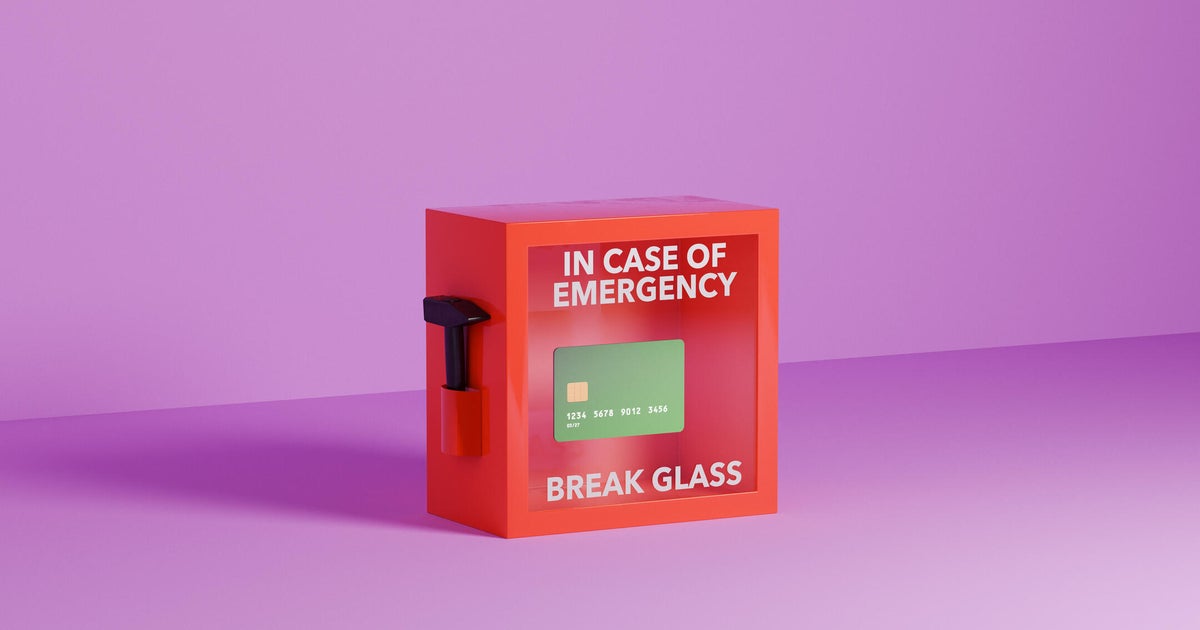
There's a moment when shifts from being stressful to being a full-fledged emergency. That alone is stressful enough, but what further adds to the issue is that most people don't recognize that shift until they're already there. For some borrowers, it may click that their debt problems have gone from bad to worse when they realize that they can only afford on their credit card debt. For others, it may be when an unexpected expense results in choosing which bills do and don't get paid that month. Whatever the driver, though, in most cases, this shift does not arrive with dramatic fanfare, but rather through the quiet accumulation of ongoing financial pressure.
That's a problem for most borrowers. After all, the uncomfortable truth is that the traditional route to — making a budget, cutting expenses and paying extra when possible — tends to fall apart when you're in genuine crisis mode. When creditors and , when you're juggling payment due dates and when financial anxiety is affecting your sleep and health, a multi-year repayment plan won't typically do the trick. You need intervention that works right now, this month, before your debt problems get worse.
Luckily, there are strategies that are specifically built for emergency debt situations like these. The challenge, though, is understanding which ones match your specific crisis. So, if you need emergency help with your debt right now? Below, we'll detail three worth evaluating right now.
.
When you're in emergency debt territory, you need solutions that provide relief quickly. Here are the options designed specifically for borrowers facing immediate financial hardship:
Most major credit card issuers and lenders for borrowers experiencing temporary financial difficulties. These programs can reduce your interest rate, lower minimum payments or for a set period (typically three to six months, though it varies). This is often the fastest lever to pull when you're dealing with a debt emergency, as it comes directly from your lenders, but many people skip it because they assume they won't qualify.
The major advantages of these programs are that they're free, can provide immediate relief and may have minimal impact on . To qualify, though, you'll usually need to explain what's changed — whether that's a job disruption, medical bill or other financial strain — and you may need to . You won't need to share every detail of your life, however. The goal is just to show that your situation is real and recent.
.
If are having a big impact on your finances, finding relief via can happen surprisingly quickly. After you enroll in this type of program through a nonprofit credit counseling agency, a credit counselor will conduct a brief financial review and then help you that consolidates your payments into one monthly bill while negotiating lower interest rates and fees with your creditors.
This, in turn, can drastically , sometimes dropping your rate to the single digits, and slash how much interest you're paying almost immediately. The consolidated monthly payment will also simplify your month-to-month bill juggling act. While debt management won't reduce your principal balance, the interest savings alone may create enough breathing room to help you avoid falling further behind.
When your loan or credit card balances are already delinquent or your payments feel truly impossible, it could make sense to explore what can offer. These programs, which are typically offered through , aim to negotiate lump-sum payoffs for less than what you owe. And, in many cases, you could see your balances during the process.
The trade-off for that relief is real, though. , and settlements aren't guaranteed, either. That said, settlement can be a structured way to avoid years of limbo, especially for people facing imminent default. If you're considering this route, just make sure you understand the fees, timelines and before jumping in. This option is really more of an emergency lever than a casual one.
When you're dealing with an emergency debt situation, doing nothing is usually the most expensive option. Late fees stack up, interest compounds and the mental load gets heavier by the week. The fastest relief often comes from taking one concrete step, whether that's calling a lender, starting a hardship request or getting a quick review from a credit counselor, even if you're not sure what the final plan will look like.
Emergency help doesn't have to lock you into a single path forever, either. You can think of these options as pressure valves. The right move right now is the one that buys you time, protects your credit as much as possible and gives you space to make clearer decisions once the panic subsides.