Science
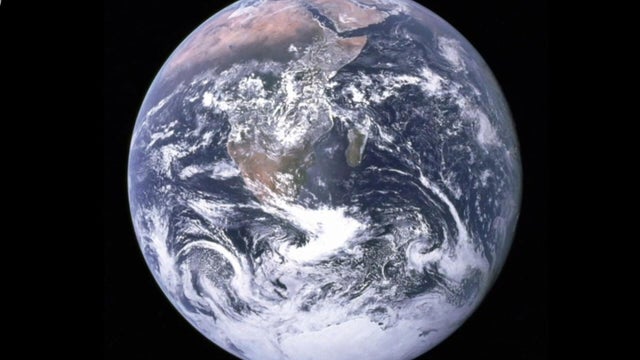
If Earth's entire 4.5 billion-year history was squeezed into a single, 24-hour day, when would modern humans arrive? "CBS Evening News" co-anchor John Dickerson ponders the meaning of Earth Day.

If Earth's entire 4.5 billion-year history was squeezed into a single, 24-hour day, when would modern humans arrive? "CBS Evening News" co-anchor John Dickerson ponders the meaning of Earth Day.
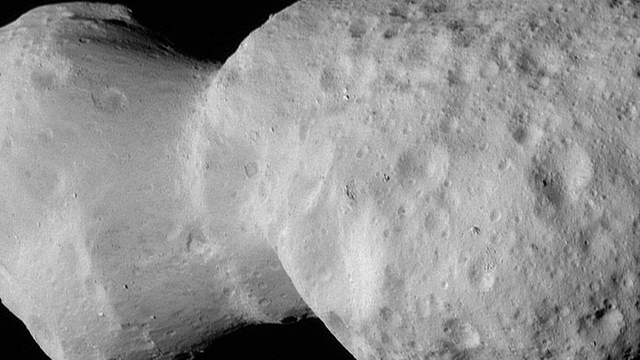
This asteroid is bigger than scientists anticipated, about 5 miles long and 2 miles wide at its widest point — resembling a deformed peanut.
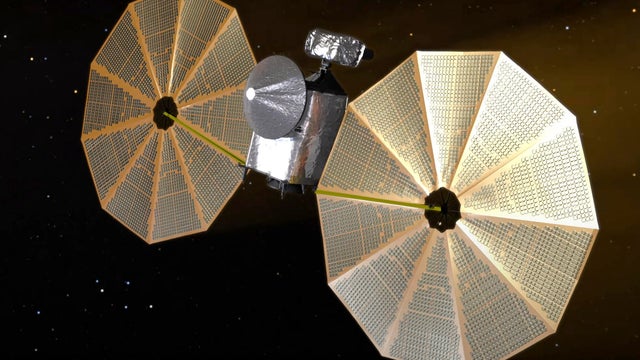
The flyby is a dress rehearsal for 2027 when Lucy reaches its first so-called Trojan asteroid near Jupiter.

Colossal Biosciences says it successfully gene-edited gray wolves to carry traits of the extinct dire wolf. Founder and CEO Ben Lamm and Chief Science Officer Beth Shapiro discuss the research and rising controversy.

A British-U.S. team of researchers detected signs of two chemicals in the planet's atmosphere long considered to be "biosignatures" indicating extraterrestrial life.

As the HBO series "The Last of Us" returns, fans wonder: How much of the chilling storyline about a fungal zombie pandemic is rooted in reality?

An internal government document proposes significant changes for the National Oceanic and Atmospheric Administration, hitting its research functions hardest.
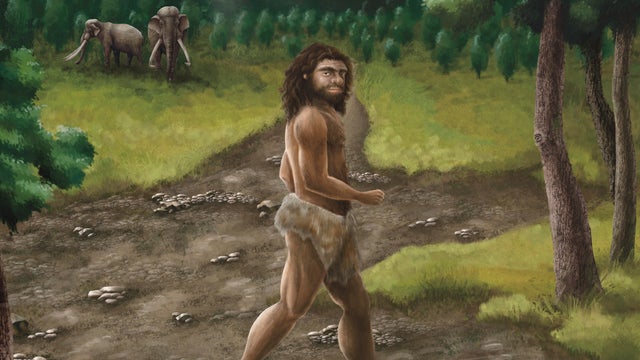
Relatively little is known about Denisovans, an extinct group of human cousins that interacted with Neanderthals and Homo sapiens.
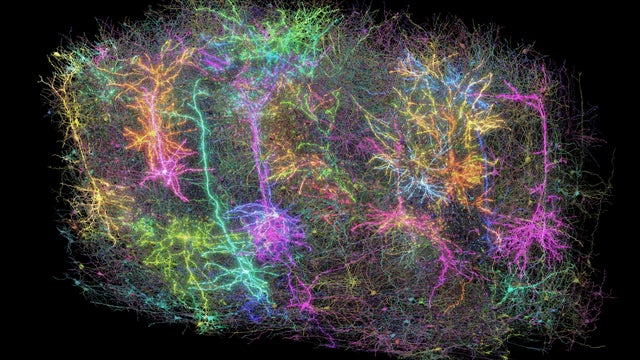
Thanks to a mouse watching clips from "The Matrix," scientists have created the largest functional map of a brain to date.
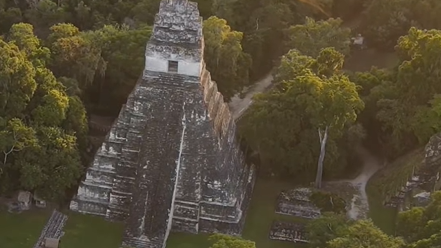
The discovery shows the cultural interaction between the Maya of Tikal and Teotihuacan's elite between 300 and 500 A.D., archaeologists said.