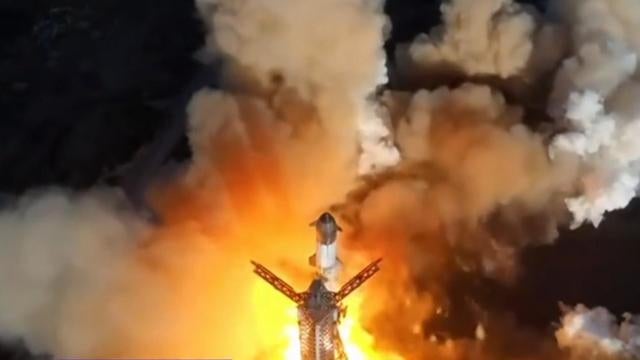
FAA orders investigation into SpaceX Starship failure
A fire in the aft section of SpaceX's Starship trigged the apparent explosion that destroyed the spacecraft, the company says.

A fire in the aft section of SpaceX's Starship trigged the apparent explosion that destroyed the spacecraft, the company says.
SpaceX completed its seventh launch of the Starship rocket, Jeff Bezos' Blue Origin launched its New Glenn rocket into orbit and a NASA astronaut stuck in space went on her first spacewalk in seven months. CBS News space consultant Bill Harwood breaks down the latest stories.
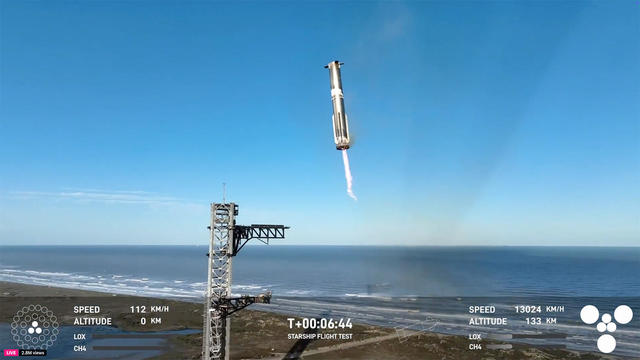
Telemetry from the Starship froze just more than 8 minutes after launch from Texas, moments after engines began shutting down.
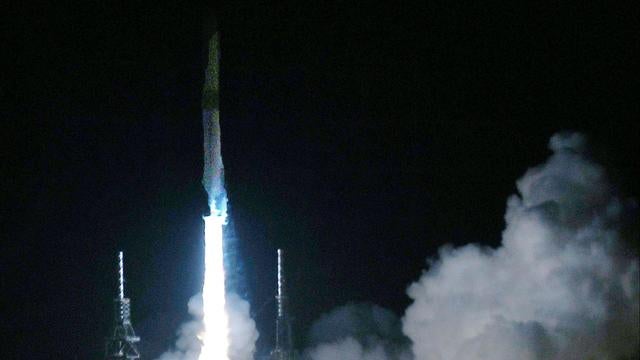
Blue Origin's New Glenn rocket was launched Thursday morning in Florida following a three-day delay. Derrick Pitts, chief astronomer from the Franklin Institute, joined CBS News to discuss the launch.
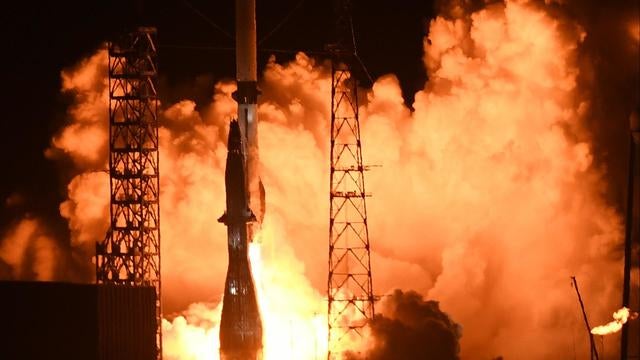
Blue Origin launched its New Glenn rocket early Thursday, sending a test satellite into orbit. The mission wasn't a complete success though, as the booster crashed while trying to land on a platform in the Atlantic Ocean.
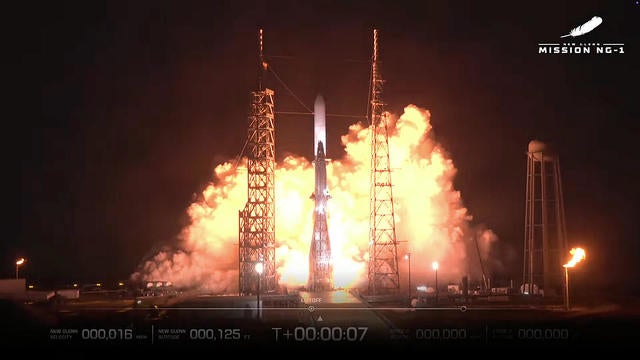
Despite losing its booster during a landing attempt, the upper stage reached orbit as planned.
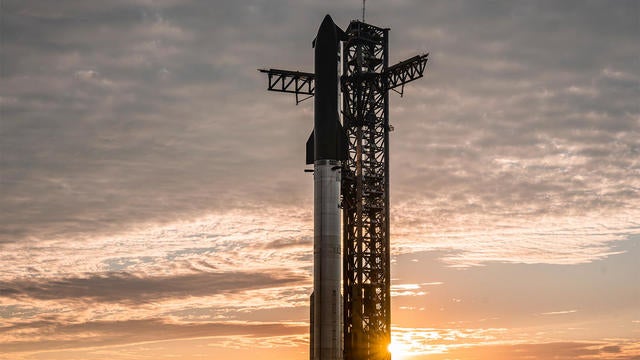
If the weather cooperates, the Starship launch will follow the maiden flight of Jeff Bezos' already weather-delayed New Glenn rocket.
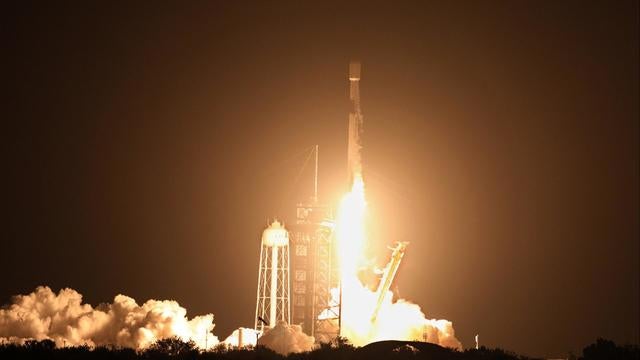
A pair of commercial landers are headed to the moon after launching early Wednesday morning from the Kennedy Space Center on a SpaceX Falcon 9 rocket. CBS News space analyst Bill Harwood has more.
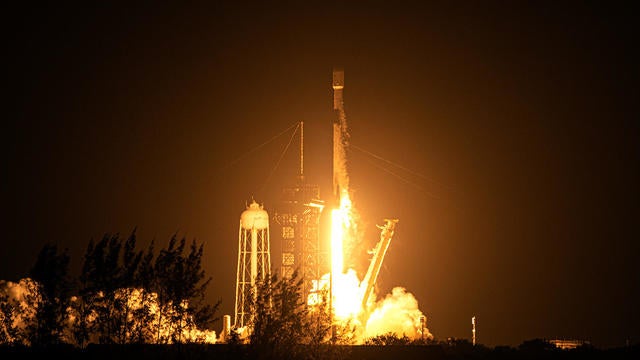
Firefly's "Blue Moon" and ispace's "Resilience" are the latest in an ongoing push to gain private-sector experience exploring the moon.
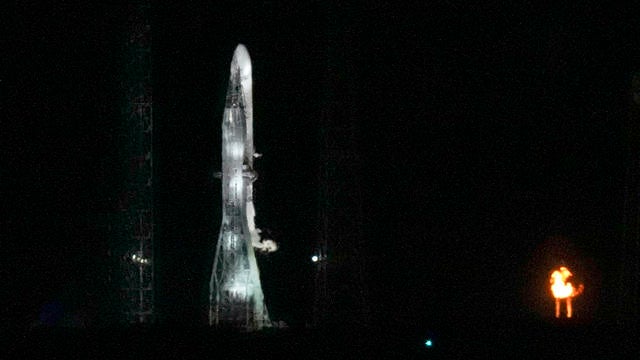
Blue Origin called off the debut launch of its massive New Glenn rocket due to technical trouble. The Jeff Bezos-founded company didn't set a new launch date.
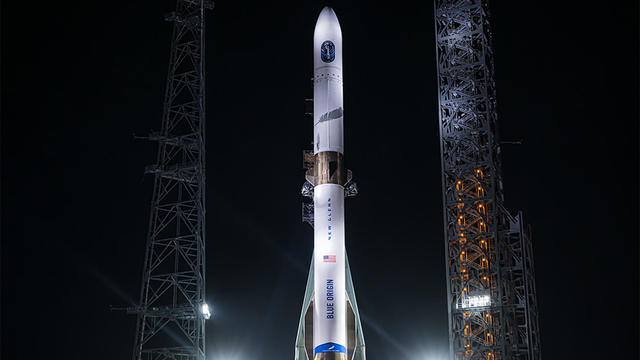
Blue Origin expects the New Glenn to provide a viable alternative to SpaceX's market-dominating Falcon family of rockets.
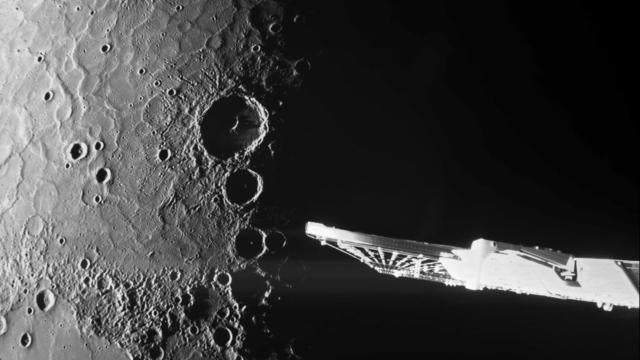
The BepiColombo spacecraft swooped as close as 183 miles above Mercury's night side before passing directly over the planet's north pole.
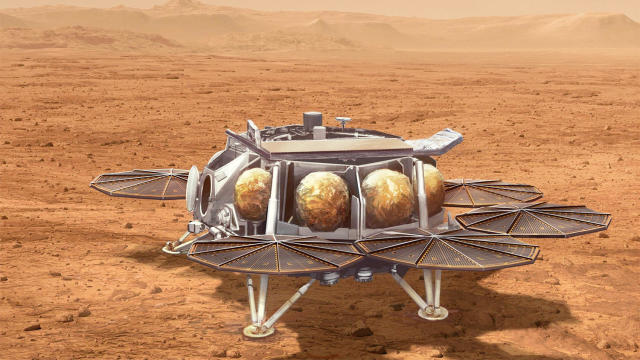
NASA hopes a revised plan will get Mars samples back to Earth faster and cost less than the agency's original plan.
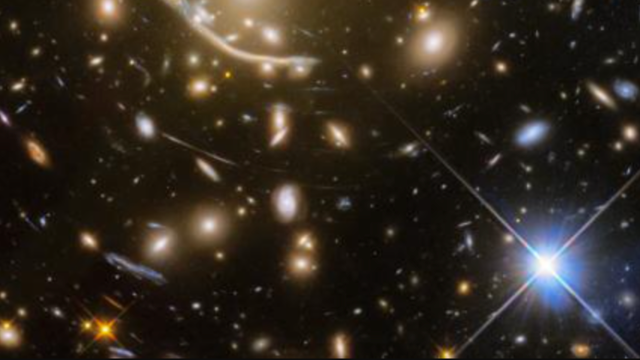
A phenomenon called gravitational lensing turned a galaxy into a "hall of mirrors of cosmic proportions," allowing for the discovery.
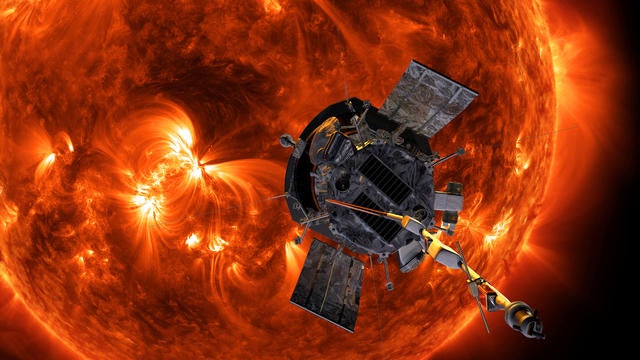
NASA said scientists began receiving more detailed telemetry — or "housekeeping data" — from the spacecraft on New Year's Day.