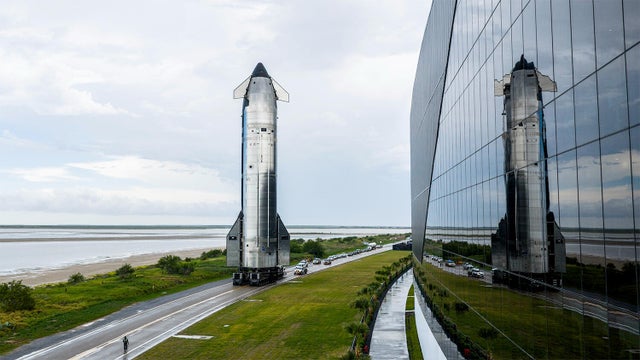
SpaceX reschedules Super Heavy-Starship test flight after ground systems issues
Taking no chances, SpaceX called off an attempt to launch its huge Super Heavy-Starship rocket after running into problems with ground equipment.

Taking no chances, SpaceX called off an attempt to launch its huge Super Heavy-Starship rocket after running into problems with ground equipment.

SpaceX sent up a Dragon capsule loaded with 2.5 tons of equipment and supplies, along with an add-on thruster kit to help maintain the lab's altitude
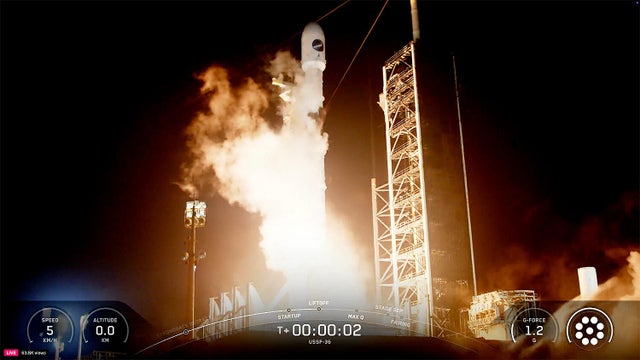
During its secretive mission, the X-37B will test new laser communications gear and a "quantum" navigation sensor.
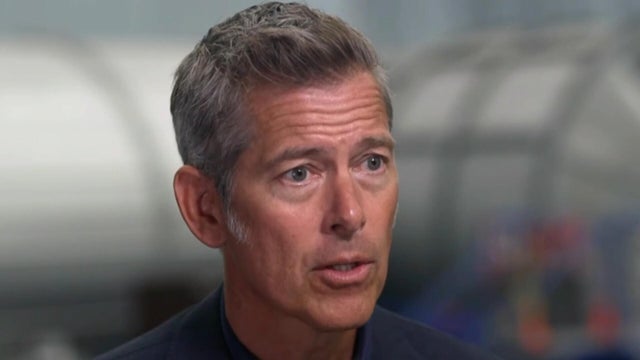
Sean Duffy, acting administrator of NASA, speaks with CBS News' Mark Strassmann about the new space race with China.
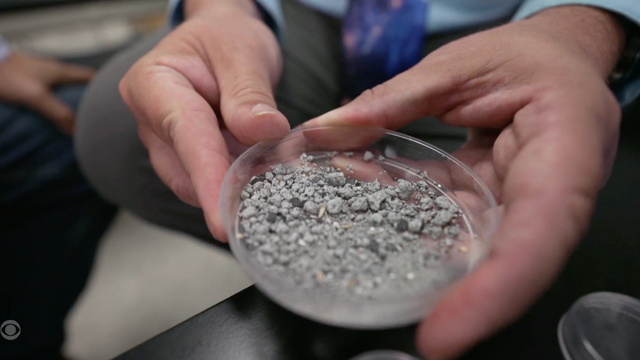
A meteorite appeared as a fireball seen in several states, including Georgia, where it landed in a house. Dave Malkoff explores its past.
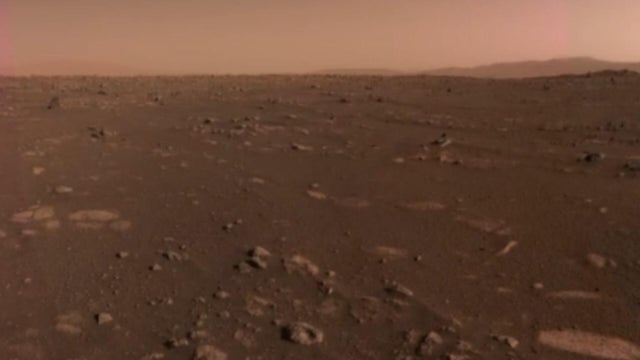
Scientists have a new way to detect signs of life on Mars through an already-existing instrument called a gas chromatograph-mass spectrometer. Derrick Pitts, the chief astronomer and planetarium director at the Franklin Institute, joins with more.
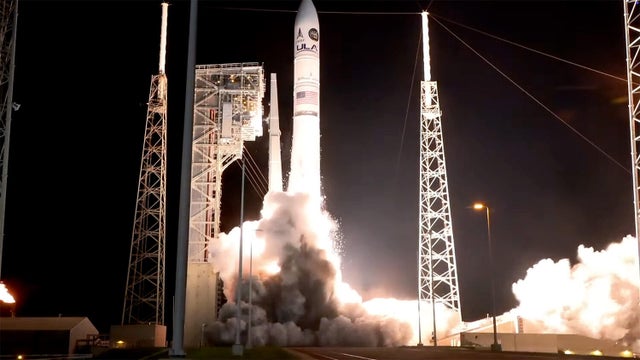
ULA's Vulcan is replacing the company's workhorse Atlas 5 rocket and the already-retired Delta 4 family of launchers.
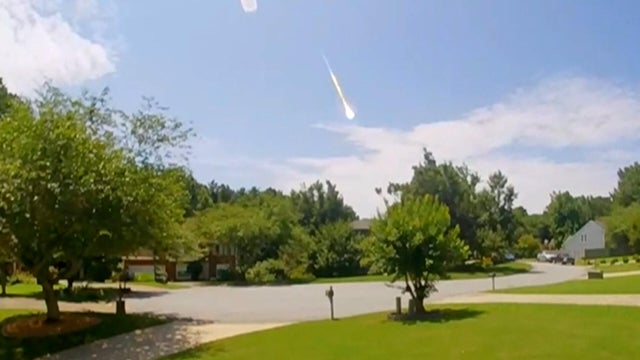
A mysterious fireball blazed across the sky in broad daylight on June 26, sparking hundreds of siting reports in Georgia and South Carolina.

The splashdown off San Diego closed out a 148-day mission for two NASA astronauts, a Japanese flier and a Russian cosmonaut.
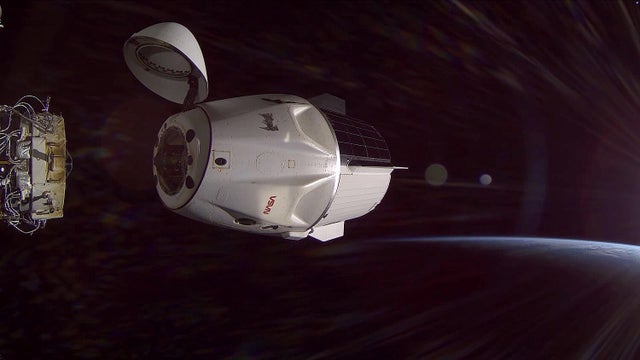
Crew 10 is the first NASA-sponsored crew that will land in the Pacific Ocean. All previous NASA Crew Dragon flights ended with splashdowns off the Florida Gulf coast or the Atlantic Ocean.

Astronaut Jim Lovell circled the moon on Apollo 8 and helped bring Apollo 13 home safely despite a mishap far from Earth.

NASA says it's a comet, but Harvard astrophysicist Avi Loeb believes the object known as 3I-Atlas may be something far more advanced and not natural. He joins "CBS Mornings Plus" to explain why.

Discovered last month by a telescope in Chile, the comet known as 3I-Atlas is only the third known interstellar object to pass our way.
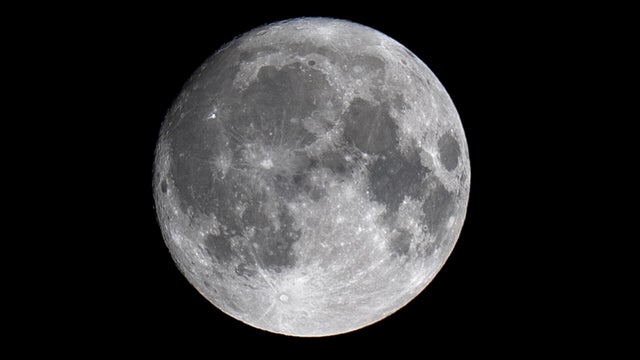
Transportation Secretary Sean Duffy, who is also the interim head of NASA, announced expedited plans this week to build a nuclear reactor on the moon as part of a new space race. Derrick Pitts, chief astronomer and planetarium director for the Franklin Institute, joins "The Takeout" to explain how the project could come together.
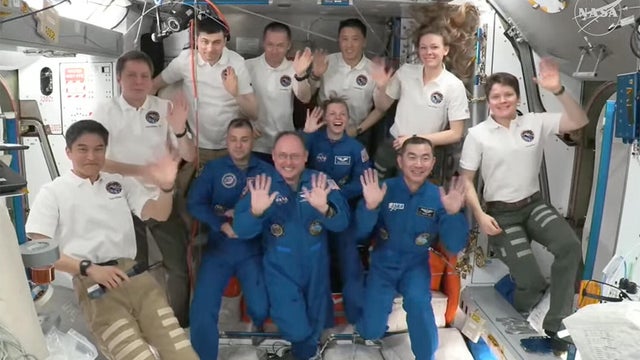
The arrival of Crew 11 clears the way for four other station fliers to return to Earth next week after a 145-day stay in space.