
Technology
"Sunday Morning" looks back at historical events on this date.

"Sunday Morning" looks back at historical events on this date.
Microsoft, Meta and Alphabet recently reported their quarterly earnings and one thing is certain: the jaw-dropping investments in artificial intelligence are only just getting started. This all comes just days after Nvidia became the world's first-ever $5 trillion company. Jacob Ward, technology journalist, joins CBS News to discuss.
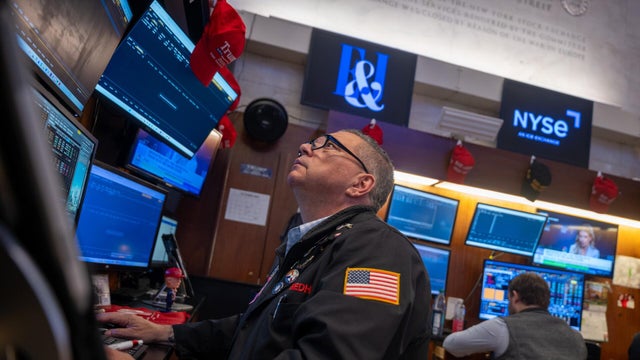
The health of the U.S. stock market on any given day depends on a number of variables, but the New York Times reports that lately, it almost entirely hinges on the success of artificial intelligence and the companies behind this technology. Evan Gorelick, writer for "The Morning" newsletter at the New York Times, joins "The Daily Report" to discuss.
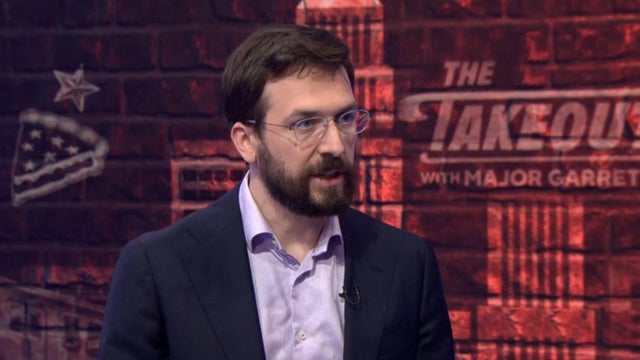
Nate Soares, the co-author of "If Anyone Builds It, Everyone Dies," argues in his new book that if any company builds an artificial superintelligence, it would end in human extinction. He joins "The Takeout" to discuss.
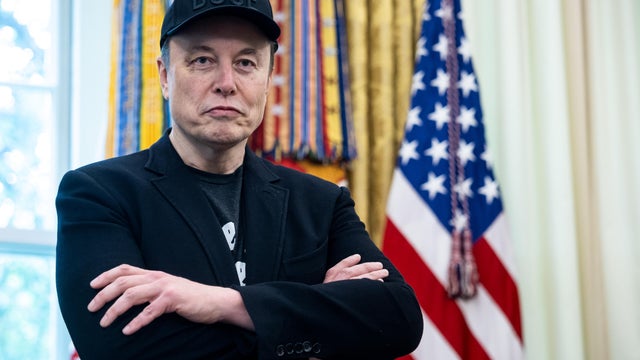
Elon Musk's partisan stances and foray into politics in recent years have dented the electric vehicle maker's business, Yale researchers say.

OpenAI and Microsoft reached a deal to complete the startup's shift to for-profit. Jason Hiner, editor in chief for ZDNET, joins to break down the deal's impact.

The chipmaker on Wednesday became the first publicly listed company to top $5 trillion in market value, boosted by demand for its AI chips.

Louisiana approved Meta's $10 billion project in August, saying it would bring "hope" for economic growth, but some experts say the center's power demands will raise customers' power bills statewide.

The job cuts come as Amazon CEO Andy Jassy has said he envisions the company relying on AI agents to replace human workers.
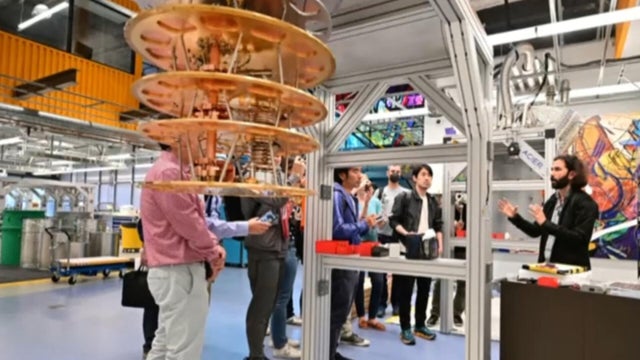
Google recently said the quantum computer it's developing can run software 13,000 times as fast as a traditional super computer, according to reporting from the New York Times. New York Times technology reporter Cade Metz joins CBS News to discuss.
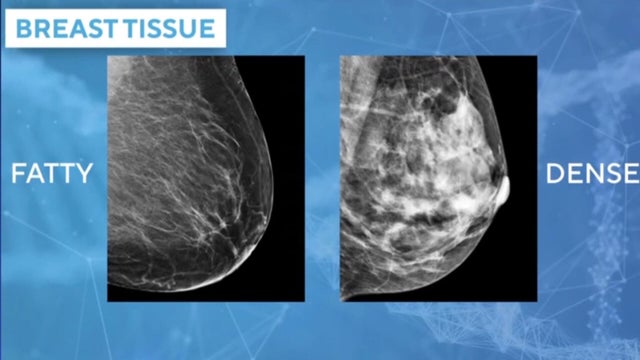
Breast cancer is the second-leading cause of cancer deaths in women. About one in eight women will be diagnosed with the disease in their lifetimes. To combat that, some doctors are using AI as a tool to help them not only detect breast cancer, but also predict a woman's risk factors. Dr. Connie Lehman, founder of Clarity, joins CBS News to discuss the first FDA-authorized AI platform used to predict a woman's 5-year risk of developing breast cancer.
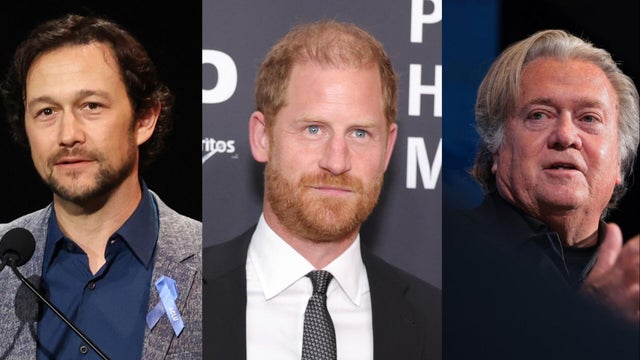
More than 28,000 people have now signed an online petition calling for a ban on the development of AI "superintelligence." The list includes hundreds of public figures and several prominent AI pioneers. Anthony Aguirre, one of the organizers of the petition, joins "The Daily Report" to discuss.

The U.S. and Australia will work together to counteract China's dominance over critical rare earth minerals. A new report from Foreign Affairs explores this growing trend in international politics. The article argues that energy and resources are being weaponized in ways the world hasn't seen in decades. One of the authors of the report, Jason Bordoff, joins "The Daily Report" to discuss.
Artificial intelligence company OpenAI is diving into the web browser space with a direct challenge to Google Chrome called ChatGPT Atlas. The company says the browser is built around its AI chatbot. CBS News senior business and technology correspondent Jo Ling Kent has the details.
There are many big names in a group of unlikely allies seeking a ban, for now, on AI "superintelligence" they say could threaten humanity.