Science
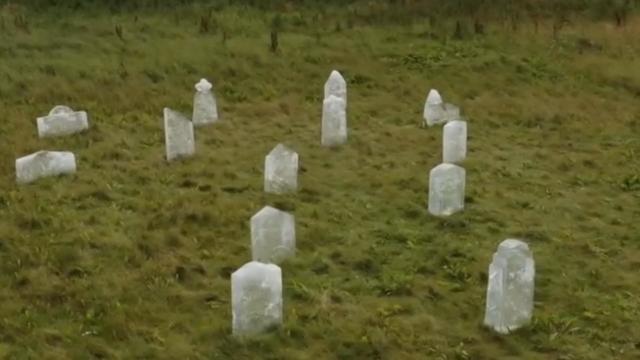
This week there was a funeral for 15 glaciers that have disappeared or are in critical danger as the planet heats up. CBS News national correspondent Dave Malkoff has more.

This week there was a funeral for 15 glaciers that have disappeared or are in critical danger as the planet heats up. CBS News national correspondent Dave Malkoff has more.
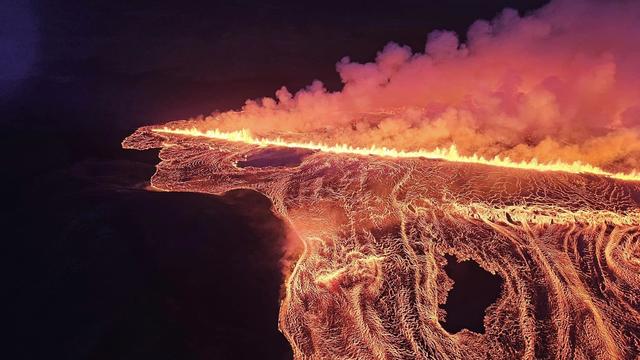
Dramatic images from Iceland show lava spewing from a fissure almost two-and-a-half miles long as the Reykjanes peninsula sees its 6th eruption since December.
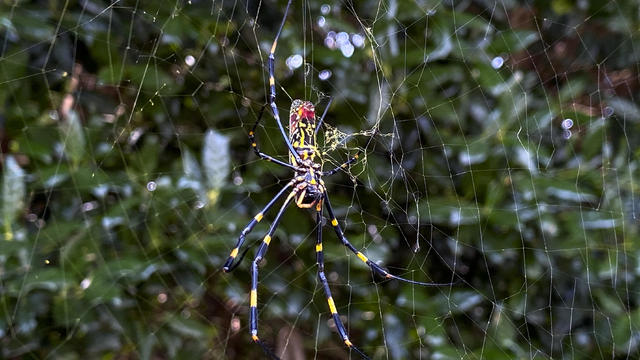
Joro spiders have hearts that are able to withstand the loud and bustling noises of big cities, according to a study published on Monday.

The historic, privately financed space flight will carry humans above Earth's ice caps for the first time.
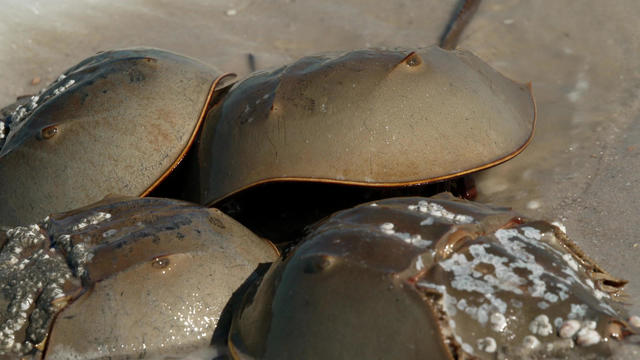
Correspondent Conor Knighton visits New Jersey beaches along the Delaware Bay to learn about horseshoe crabs – mysterious creatures that predate dinosaurs – whose very blood has proved vital to keeping humans healthy by helping detect bacterial endotoxins. He talks with environmentalists about the decline in the horseshoe crab population, and with researchers who are pushing the pharmaceutical industry to switch its use of horseshoe crab blood with a synthetic alternative used in medical testing.
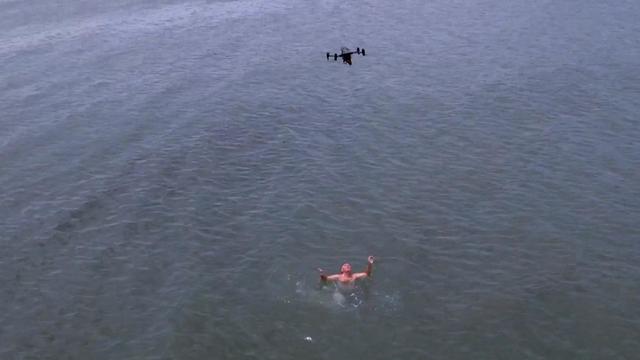
The Oak Island Fire Department in North Carolina is using drone technology to improve ocean rescue operations, enhancing response times and safety for both victims and responders.
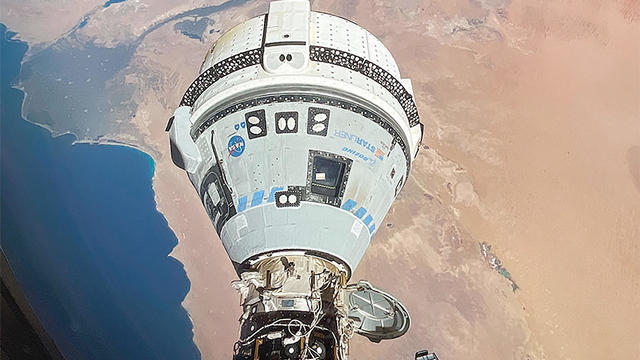
No final decisions have been made and NASA remains hopeful ongoing tests will show the Starliner can safely return its crew to Earth.
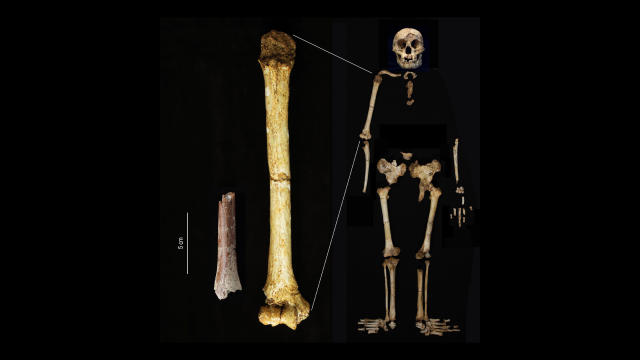
A new study published in the journal Nature suggests ancestors of an early human species were slightly shorter than previously thought.
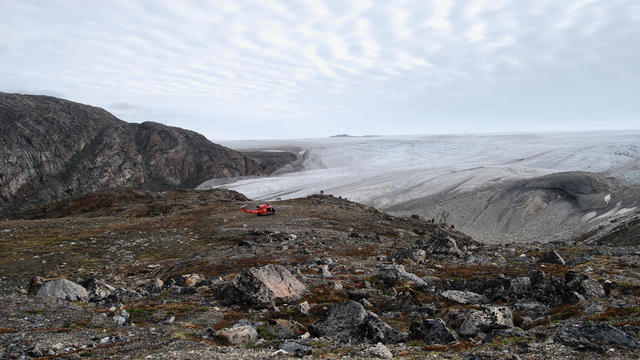
New research about Greenland's ice sheet could provide a warning of what's to come as the planet continues to warm.
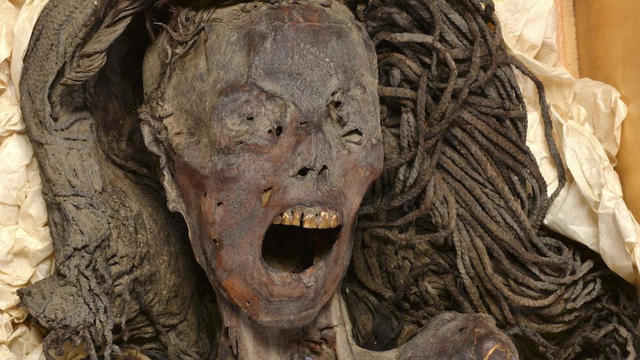
Scientists used CT scans and other testing to examine whether the mummy had any pathological abnormalities and assess potential causes of death.