
Mummy with shrieking expression may have "died screaming from agony"
Scientists used CT scans and other testing to examine whether the mummy had any pathological abnormalities and assess potential causes of death.

Scientists used CT scans and other testing to examine whether the mummy had any pathological abnormalities and assess potential causes of death.
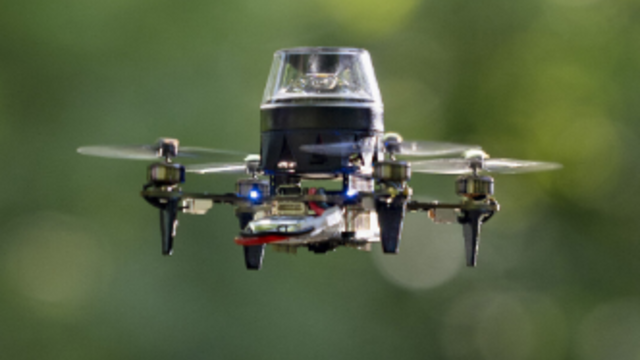
Patterns like those of birds and bees are influencing Dutch scientists' research on "self-flying" swarms of tiny drones.
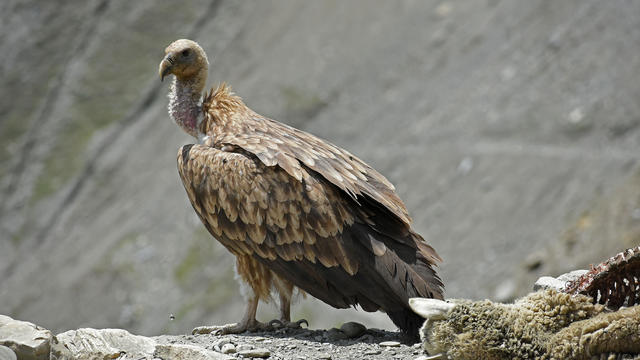
Scientists say a common painkiller used on cattle wiped out India's vultures, resulting in half a million human deaths in just 5 years.

The discovery includes "thousands of marble slabs" in "hundreds of different shapes" found in a submerged ancient city.

While the explosion was considered small, it unleashed "a massive amount of rocks and dirt" that shattered a fence and killed nearby trees.

"Dark oxygen" refers to the oxygen created by nodules of metal on the ocean floor.

Earth sizzled to its hottest day ever measured by humans Monday, beating a record set the day before, the European climate service Copernicus says.

Thirteen sharks tested for cocaine and benzoylecgonine were found to have the illicit drug in their muscles and livers.
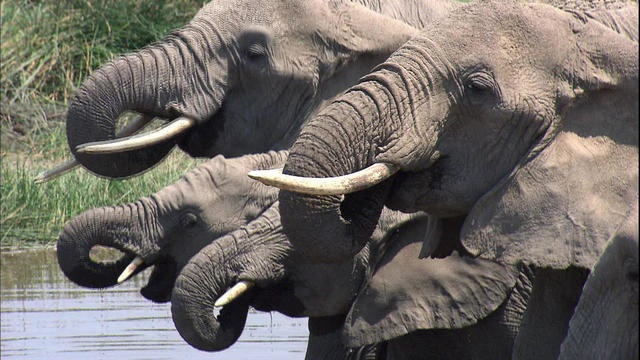
There is a lot we're still learning about the magnificent elephant, a creature that became a political animal after satirist Thomas Nast used it in cartoons in the 1870s. Correspondent Faith Salie visits the exhibition "The Secret World of Elephants," at the American Museum of Natural History in New York, and checks out the pachyderms at the National Zoo in Washington, D.C., to uncover some of the elephant's secrets, from its means of communication, to its trunk, "the Swiss army knife of organs."

The full moon, also known as the Thunder Moon, will last three days, peaking on Sunday morning.