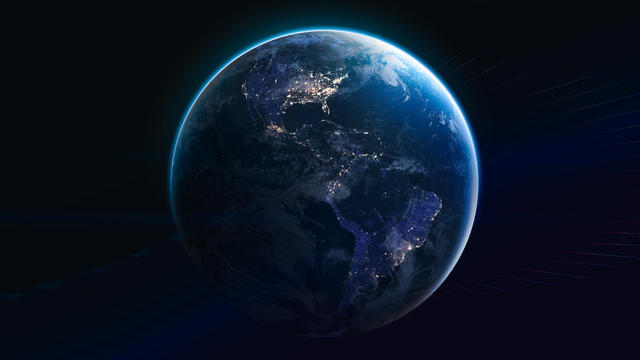
Climate change is making days longer, according to new research
The melting of glaciers and polar ice sheets causes water to move closer to the equator, fattening the planet and slowing its rotation, according to a recent study.

The melting of glaciers and polar ice sheets causes water to move closer to the equator, fattening the planet and slowing its rotation, according to a recent study.
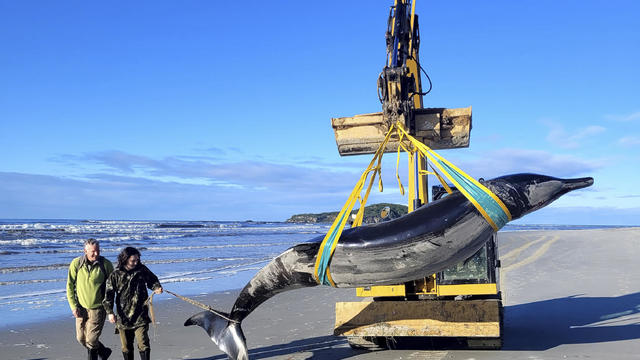
Spade-toothed whales are the world's rarest, with no live sightings ever recorded. Until, perhaps, now. One may have washed up onto a New Zealand beach.
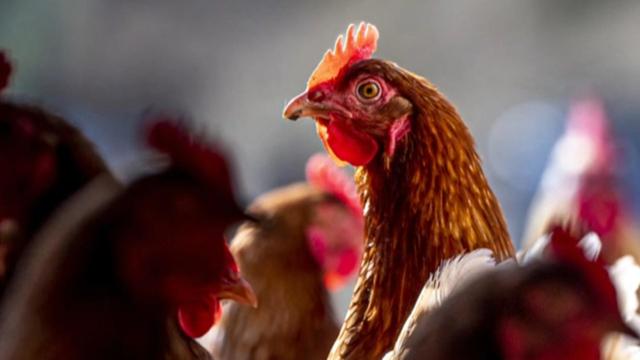
Symptoms among the new bird flu cases included "fever, chills, coughing and sore throat/runny nose," alongside pink eye and eye tearing, a CDC spokesperson confirmed Monday.
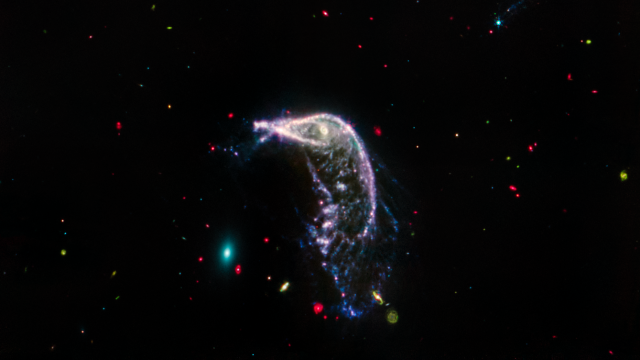
The image released Friday depicts two merging galaxies, nicknamed "the Penguin and the Egg," that are about 100,000 light years apart, a surprisingly close distance in astronomical terms.
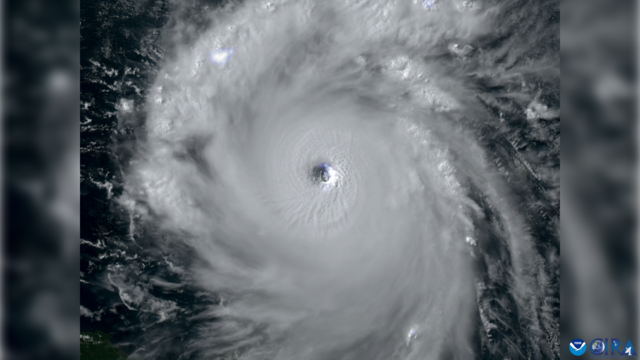
The 2024 Atlantic hurricane season got off to a deadly start as Hurricane Beryl tore across the Caribbean, Mexico and eventually the U.S.
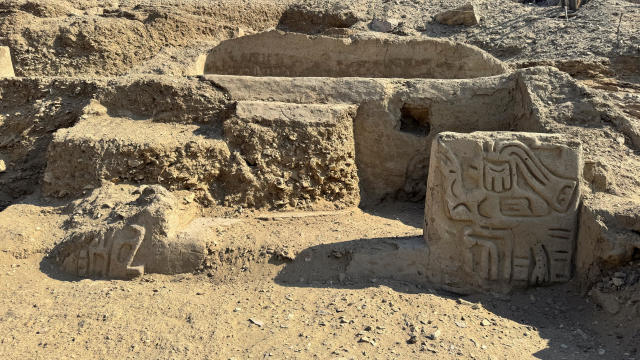
Archaeologists say the discovery could shed light on early religious practices in the region.
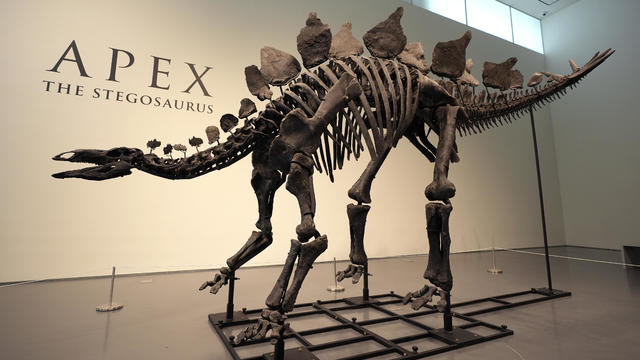
The largest stegosaurus skeleton ever found is expected to fetch millions of dollars at auction in New York next week, likely fueling objections from paleontologists.
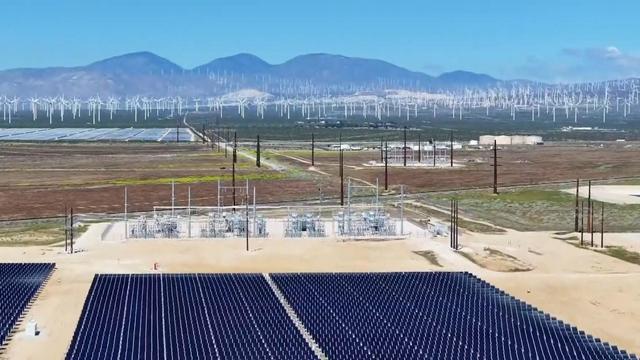
Battery storage is what allows renewable energy to provide power even when the sun isn't shining or the wind isn't blowing. It's key to making the electrical grid reliable as we transition away from coal and gas. Ben Tracy examines how battery technology is improving.
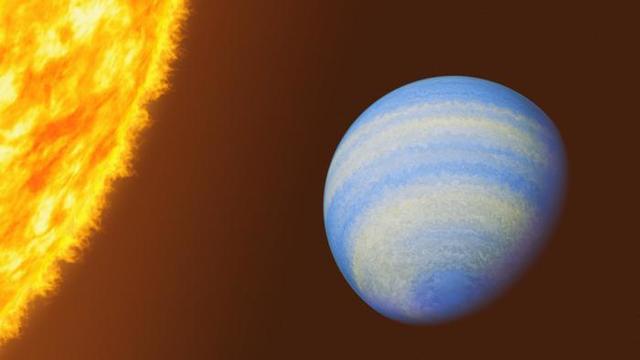
A planet 64 light-years from Earth was already known for deadly weather. Now scientists say the planet also smells like rotten eggs.
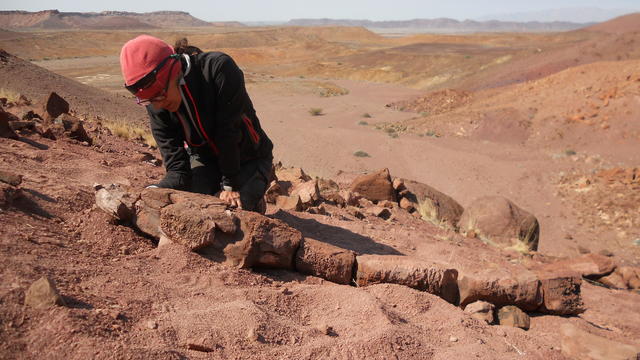
Scientists have revealed fossils of a giant salamander-like beast with sharp fangs that ruled waters before the first dinosaurs arrived.